
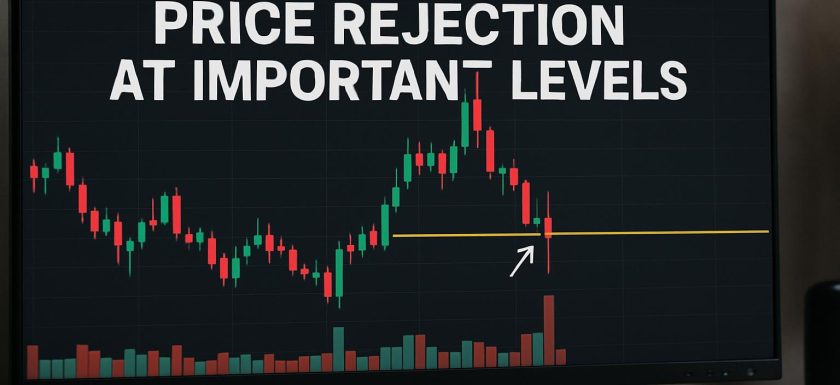
Understanding Price Rejection at Important Levels
In the dynamic world of trading, comprehending how to interpret price rejection at significant levels is an invaluable skill. Price rejection often acts as an indicator of potential reversals or continuations within market trends, making it imperative for traders to recognize and interpret these signals appropriately.
What is Price Rejection?
Price rejection occurs when the price of an asset approaches a pivotal level but fails to sustain momentum past that point. This phenomenon can appear in various forms, such as specific candlestick patterns or swift reversals. Essentially, the rejection signals that there was inadequate buying or selling pressure to support a movement past that specific level.
Significance of Important Levels
To effectively analyze price rejection, it is vital to first pinpoint key levels within the market. These levels usually encompass support and resistance zones, trendlines, and psychological price points, such as round numbers or former highs and lows. Recognizing where these levels exist can help traders anticipate potential rejection events.
Interpreting Candlestick Patterns
A common method for identifying price rejection is through the observation of candlestick patterns. For example, the shooting star and hammer patterns are classic examples where the wick denotes rejection. A long upper shadow in a shooting star pattern implies substantial selling pressure at elevated levels, whereas a hammer pattern with a long lower shadow indicates buying interest at reduced prices. Grasping these candlestick formations can provide valuable insights into market sentiment and potential price direction changes.
The Role of Trading Volume
Trading volume plays a critical role in confirming price rejection. A rejection that occurs alongside high trading volume often suggests a robust reversal potential. On the other hand, low volume during a rejection may signal a weak market reaction, requiring caution. Analyzing volume in conjunction with price action can enhance the accuracy of forecasting future market movements.
Understanding Market Context
Interpreting price rejection necessitates an understanding of the market context. Assessing broader market trends and any related news or events that could impact price action is crucial. For instance, geopolitical events, earnings announcements, or shifts in economic indicators might influence trader sentiment and result in stronger or weaker price rejection.
Challenges in Reading Price Rejection
Despite the valuable insights that price rejection can offer, interpreting it is not always straightforward. Market noise, false signals, and abrupt shifts in investor sentiment can all complicate the accurate reading of price rejection. Traders need to remain vigilant and consider multiple factors before making trading decisions based on rejection signals.
Combining Technical and Fundamental Analysis
A comprehensive approach to trading often involves combining technical analysis with a solid understanding of market fundamentals. While technical analysis focuses on price movements and patterns, fundamental analysis considers economic indicators, financial statements, and broader economic trends. By integrating both approaches, traders can achieve a more holistic understanding of market dynamics, thus enhancing their ability to interpret price rejection effectively.
Technical Analysis Tools and Techniques
Several technical analysis tools and techniques can aid in identifying and interpreting price rejection. Among them are the Relative Strength Index (RSI), moving averages, and Bollinger Bands. These tools help traders gauge market momentum and volatility, providing additional context when analyzing price rejection at key levels.
Psychological Factors in Trading
Human psychology also plays a significant role in trading decisions. Traders must be aware of biases such as fear, greed, and herd behavior, which can all affect their interpretation of price rejection. Maintaining a disciplined trading approach and developing emotional resilience are essential for accurately analyzing market signals.
Developing a Trading Strategy
Understanding price rejection is just one component of developing a comprehensive trading strategy. Traders should develop a well-documented plan that includes entry and exit rules, risk management protocols, and regular performance reviews. By continually refining their strategies, traders can improve their ability to navigate market complexities.
Practicing with Demo Accounts
Before applying insights from price rejection analysis to live markets, traders can practice with demo accounts. These accounts allow traders to test strategies and interpret price rejection at important levels without financial risk, ultimately building confidence and experience.
Continual Education and Learning
The trading landscape is constantly evolving, requiring traders to engage in continual education and learning. By staying informed about new trading techniques, tools, and market developments, traders can maintain an edge in understanding price rejection and other market dynamics.
Conclusion
Interpreting price rejection at crucial levels is an essential skill for traders. By focusing on candlestick patterns, trading volume, and the broader market context, traders can bolster their ability to predict potential market reversals or continuations. As with any trading strategy, the fusion of technical analysis with a thorough understanding of market fundamentals can lead to more informed and potentially successful trading outcomes. For further exploration, consider leveraging reliable trading education platforms or financial analysis resources.
This article was last updated on: August 7, 2026